
 EN
EN


Understanding Player Psychology and Engagement
Core Gameplay Loop Design for Immediate Immersion
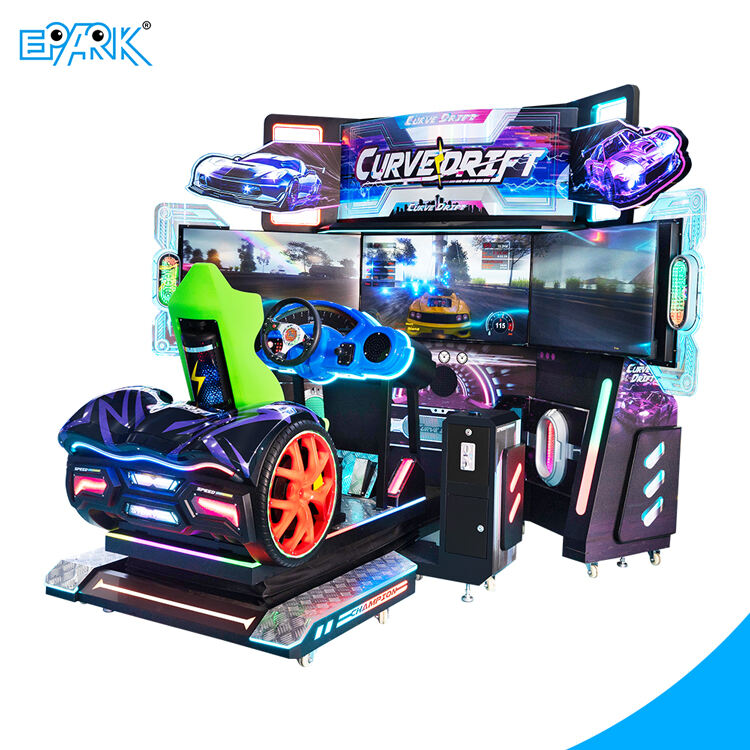
Getting the gameplay loop right is really important if developers want to grab players' attention and hold onto it. Good games give people something rewarding right away while slowly making things harder as they progress. We've seen numbers from various studies showing that when games offer quick satisfaction along with bigger goals down the road, folks tend to stick around longer. Take racing arcade titles for instance. These games hit all the right notes with their fast pace and those satisfying little victories after each race. Players get hooked on that rush of speeding through tracks and beating their own times again and again. The companies behind these hits know exactly what they're doing too. Their design choices definitely pay off in terms of keeping audiences coming back week after week.
Balancing Challenge vs. Reward Systems
Getting the mix right between challenges and rewards matters a lot for keeping players interested. Game designers know this well, and folks like Raph Koster have written about it extensively. When games strike that sweet spot where players feel challenged but not frustrated, they tend to come back again and again. Look at the numbers from arcade operators who track customer behavior – most will tell you people return because they had fun and felt accomplished after playing. The concept called flow theory actually explains why this works so well. It's all about matching what players can do with what the game asks them to do, gradually increasing difficulty as skills improve. Arcade games that get this balance right usually do better than others in the market. Players stay engaged longer, which means more quarters dropped into machines and ultimately higher profits for operators.
Implementing Multisensory Feedback (Light/Sound)
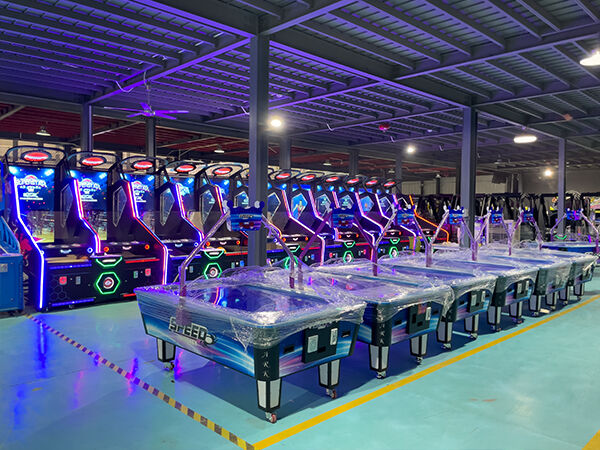
When arcades get those extra senses working together, people just seem to get more into the whole experience. Sound and lights really grab attention, making folks feel all sorts of things while they play. Take air hockey tables for instance those big ones with flashing LEDs and loud whooshes when someone scores. These features aren't just there for show they actually keep players coming back for more rounds. The industry has seen some pretty interesting data on this stuff too. Experts who study gaming behavior point out that when machines hit multiple senses at once, people stay engaged longer and remember their time in the arcade better. It's not magic, but something about combining visuals, sounds, and even vibrations creates that special connection between machine and player.
Ergonomic and User-Centric Cabinet Design
Optimizing Control Panel Layouts for Accessibility
Arcade machine control panels need to follow some basic design rules if they want to work for everyone who plays them. Good layout matters a lot. Buttons should be placed where people naturally reach for them, and the whole panel needs to adjust up or down so different body types can get comfortable. This is especially important for folks with mobility issues who might otherwise struggle to play. Research shows that when arcade manufacturers think about how people actually interact with their machines, the overall experience gets better. Players feel less tired after long sessions, and controls become second nature instead of frustrating. Take Sega's classic cabinets as an example. Their designs made sense right from the start, which probably explains why so many people still remember playing those games decades later. Smart design doesn't just look good it makes games accessible to more people, period.
Durability Considerations for High-Traffic Machines
The materials chosen for gaming machines make all the difference in busy arcades where machines get constant action day after day. Good arcades tend to go for stuff like tough plastics and heavy duty metals because they hold up against years of finger smudges, spilled drinks, and general wear and tear. The trick is getting looks right while still making sure machines last. A flashy machine won't matter much if it breaks down after just a few months. Regular upkeep matters too. Most operators schedule weekly cleanings and monthly tech inspections to keep everything running smoothly. When arcade owners strike that sweet spot between looking cool and standing the test of time, their machines stay profitable even when faced with hundreds of players every week.
Height and Viewing Angle Adjustments
Designs that can be adjusted play a big role in making games accessible to everyone regardless of age or height. Studies point out something interesting too viewing angles really matter when it comes to how satisfied someone feels while playing. That's why arcades are starting to focus so much on height adjustments these days. Players want to tweak their setup until they find what works best for them. The whole idea behind this shift toward customizable options makes sense on several levels. For one thing, it opens up gaming to people who might otherwise struggle with standard setups. But there's another benefit too games just feel better when everything fits right. Arcade owners notice this difference in customer behavior over time as well. People tend to stay longer and come back more often when they can personalize their experience according to their own needs and preferences.
Strategic Game Selection and Placement
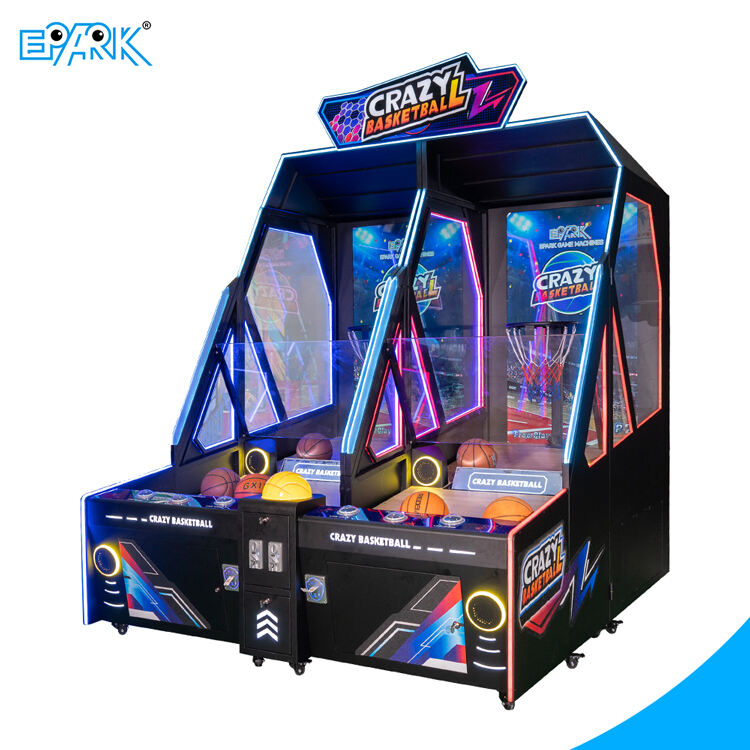
Mixing Classic and Modern Titles (e.g., Basketball/Racing Machines)
When classic arcade games meet modern titles, something special happens for gamers across generations. The result? A place where folks who grew up chasing ghosts in Pac-Man can rub shoulders with teenagers zipping through virtual race tracks. Technology has made it possible to bring together these different eras in one location. Think about how cool it is when someone plays Street Fighter next to someone else battling it out in a high-tech racing simulator. A recent survey from last year showed that arcades mixing old and new games actually saw their customer numbers jump around 25%. That's pretty impressive when you think about it. For arcade owners looking to keep people coming back, there are smart ways to arrange the game selection so everything flows nicely together. Maybe group similar genres or alternate between retro hits and cutting edge experiences throughout the space.
Grouping by Skill Level and Audience Demographics
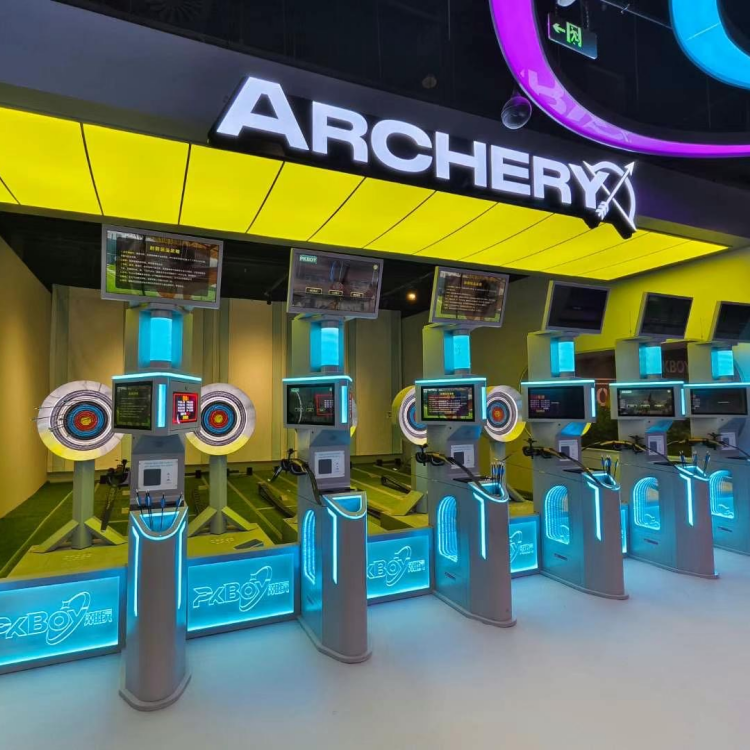
When arcade machines are grouped according to different skill levels, it really makes players happier and keeps them coming back. People generally like working their way up through challenges that match what they can handle. Take those special zones set aside for hardcore gamers, for instance. These spots don't just make competition more exciting, they actually draw more people to certain parts of the arcade floor. The numbers tell the story too arcades that sort their games using actual customer data and match them to who plays there tend to see about 30% longer sessions on average. Arcade operators find these kinds of stats super helpful when deciding where to put machines and what mix of games works best for all sorts of visitors walking through their doors.
Creating Themed Zones (Air Hockey vs. Boxing Punch Areas)
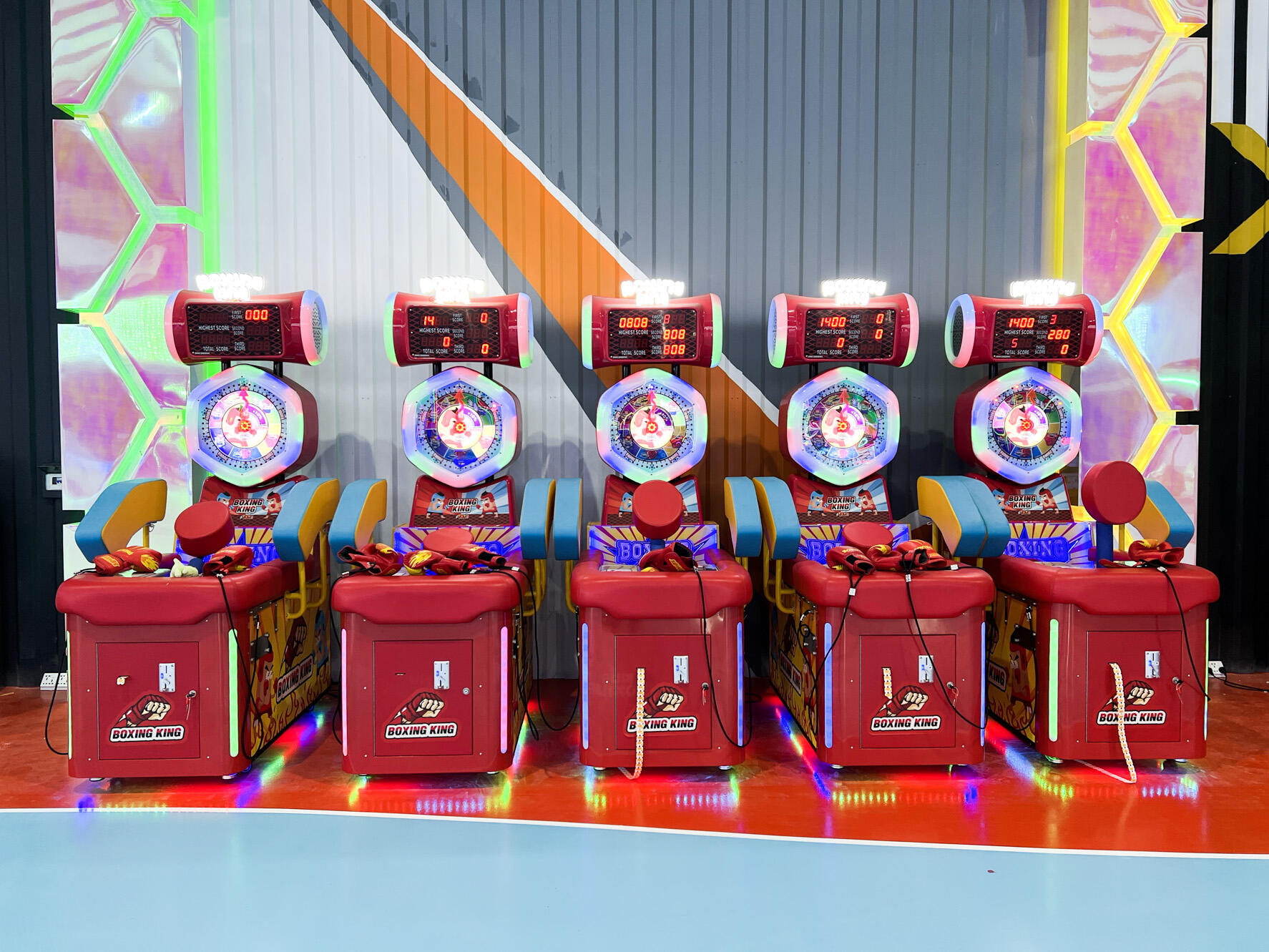
When arcades start creating themed sections, it really transforms how people enjoy their time there. These special areas appeal directly to different tastes and help keep folks coming back again and again. Take places that separate out games like air hockey from those crazy boxing punch machines we all love testing our strength on. Arcades that do this tend to see customers staying longer and feeling happier overall. Some guy who studies how people think about games actually points out that when players get wrapped up in these themed spaces, they form real connections with whatever theme is going on, which makes them loyal customers. The whole point of designing arcades this way goes beyond just keeping people entertained though. It creates this lively vibe throughout the place that grabs attention and makes sure visitors want to come back week after week for another round of fun.
Integrating Technology for Enhanced Experiences
LED Lighting Systems for Dynamic Visual Appeal
LED lighting really makes all the difference when it comes to turning ordinary arcades into places that pop visually and pull people inside. Research looking at how colors affect gamers shows pretty clearly that certain types of lighting actually change how players feel and stay engaged with games. We've noticed that arcades which install those fancy dynamic LED setups tend to get more visitors walking through their doors. The reason? Those bright, changing lights just make the whole place look way more welcoming. Take a look at any arcade using color changing LEDs these days and they usually score better reviews from customers too. These lights help spotlight different game zones and keep eyes moving around the room. Some numbers out there point to a clear connection between nicer looking environments and folks spending more time playing games, so good lighting isn't just nice to have anymore for arcade owners wanting to stay competitive in today's market.
Haptic Feedback in Interactive Machines
Haptic feedback tech really takes player immersion in arcade games to another level by giving them actual tactile sensations when things happen on screen. Some studies have shown these vibrations hit the same parts of our brains that light up during real physical contact, which makes games feel even more immersive. Take racing arcade machines as a good example they use this tech to make drivers feel like they're actually behind the wheel, getting those bumps and turns right through their hands. Most industry folks think we'll see a lot more of this kind of feedback in games going forward since it creates such an interactive experience for gamers. While nobody can say exactly how big it will get, many believe haptic tech will definitely stick around in arcades, keeping players hooked for longer sessions.
Software Updates and Progressive Difficulty Scaling
Keeping arcade games updated regularly helps hold onto players attention while making sure those old school machines keep running without hiccups. The updates do more than just patch bugs they bring in fresh content too like bonus rounds or special characters that make coming back for another round worthwhile. Most arcades follow something called progressive difficulty scaling where each level gets just a little harder after the last one so folks don't get bored but still feel accomplished when they beat it. Think about how frustrating it would be if every level was exactly the same difficulty from start to finish nobody wants that. Smart operators stick to regular update schedules because competition is tough these days. Players want their money's worth and will walk away fast if the games aren't keeping them entertained week after week.